

A full dining room on a Tuesday night rarely happens by accident. For most independent restaurants, the difference between a slow week and a steady one is not a bigger advertising budget — it is a direct line to people who have already eaten with you and liked it. That is what email gives you: a list you own, a message that lands in the inbox, and a reason for a past guest to come back this week.
Social media matters, but its reach changes every time a platform changes its rules. Your email list does not. A guest who gave you their address at the table has already said they want to hear from you. The job of email marketing for restaurants is to honour that permission with messages worth opening — and to turn a one-time visit into a regular habit.
Why Email Still Works for Restaurants
Restaurants sell an experience that repeats. Nobody needs a new roof every month, but a good meal is a weekly habit. That repeat pattern is exactly what email is built for. A short message at the right moment — a new seasonal dish, a quiet-night offer, a reminder that the patio is open — can move a decision that was already half made.
Email also works alongside search. Most new guests find a restaurant on Google first, then decide whether to return. Our local SEO playbook explains how diners discover restaurants through search in the first place; email is what keeps those diners coming back after the first visit. The two channels do different jobs, and a restaurant that uses both is harder to forget than one that relies on either alone.
Build a List Worth Sending To
A campaign is only as good as the list behind it. The strongest restaurant lists are built at the table and at the till, not bought from a broker. A purchased list is the fastest way to damage your sender reputation and your relationship with guests — and in Canada, anti-spam law (CASL) requires consent before you send commercial email, so bought addresses are a legal risk as well as a practical one.
Practical ways to grow your list:
- Add a short signup to your reservation confirmation and your Wi-Fi sign-in page.
- Put a QR code on the table tent, the menu, and the receipt, offering something simple in return — first notice of the new menu, or a birthday treat.
- Train staff to ask at the right moment: “Would you like to hear about our seasonal menu first?” A spoken invitation converts far better than a form nobody notices.
- Keep the signup on your website visible but brief. Name and email address is enough; every extra field costs you signups.
Record where each address came from and when consent was given. It protects you if anyone ever asks, and it tells you which signup points are actually working.
The Campaigns That Fill Tables
Not every email needs to sell something. The restaurants that get the best results send a mix: some messages bring people in this week, others keep the restaurant in mind for next month. A simple rotation covers both.
| Campaign | When to send | What it does |
|---|---|---|
| Weekly special or set menu | Monday or Tuesday | Fills the slowest nights with a reason to book now |
| Birthday offer | A few days before the birthday | Brings a guest back with friends, on a day they choose |
| New dish or seasonal menu | At launch | Gives regulars a reason to return and try something new |
| Slow-night offer | Midweek, same week | Turns an empty Tuesday into a booked one |
| Win-back message | After a long gap since the last visit | Reminds lapsed guests why they liked you |
| Holiday and event booking | Three to four weeks ahead | Secures tables for Valentine’s Day, Mother’s Day, and group bookings before competitors do |
Start with two or three of these, not all six. A restaurant that sends one good email a week will outperform a restaurant that sends five forgettable ones.
What to Send, and How Often
Once or twice a month is a sensible starting rhythm for most restaurants; weekly works once you have enough genuine news — a new dish, a wine arrival, a live music night. Daily emails are almost never the right answer for a restaurant. If you have nothing worth saying, say nothing that week.
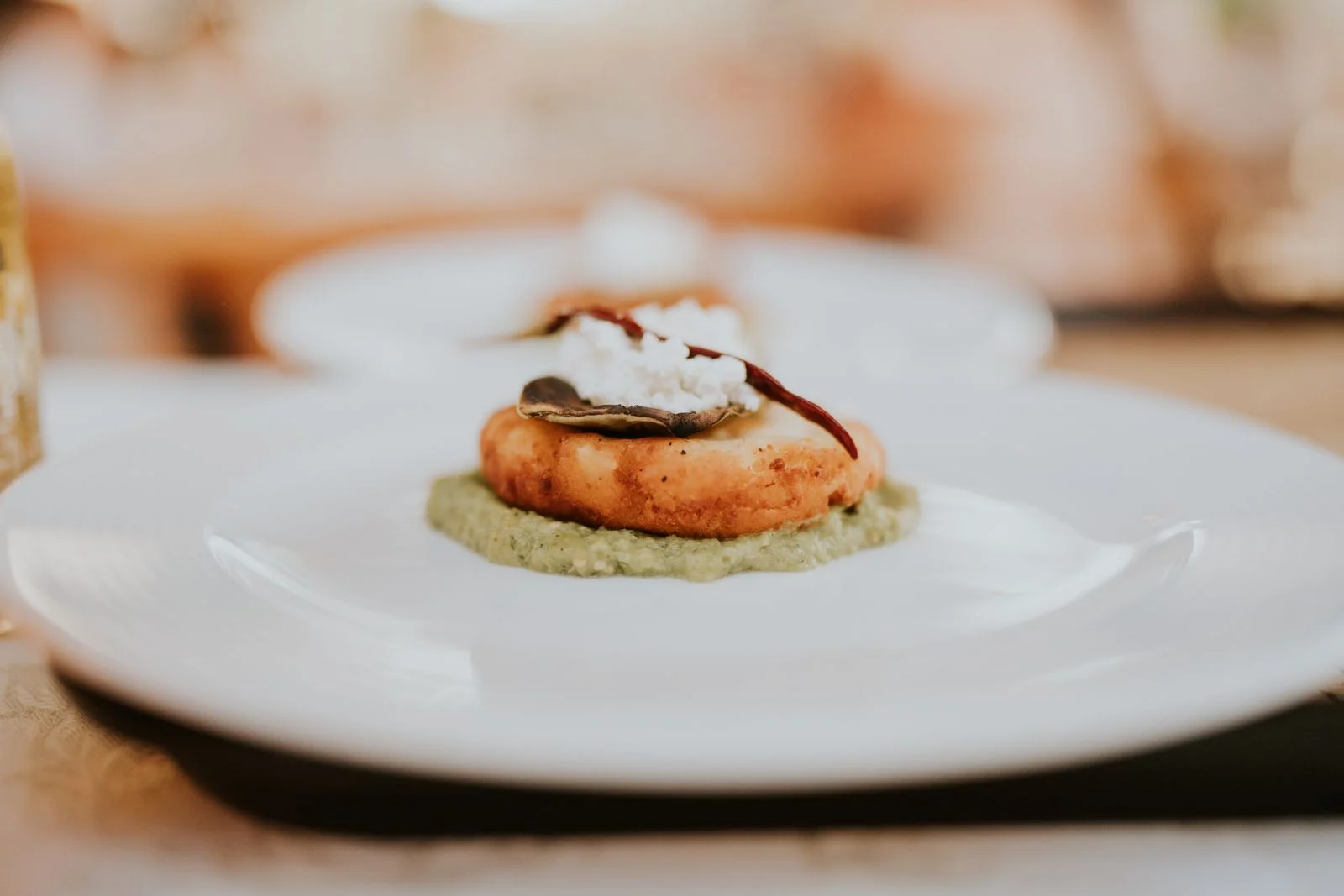
Every email should carry one clear idea and one clear action. Lead with the dish, the date, or the offer — not with a long introduction about the restaurant. Use photographs of your own food and your own dining room wherever possible; guests recognise the real thing, and a photo of a dish you do not serve is a promise you cannot keep. Keep the message short enough to read on a phone while standing in a queue, because that is where most of it will be read.
If writing and photography are the bottleneck, that is a content problem, not an email problem. Our content marketing for restaurants covers the writing, photos, and planning behind campaigns like these, so the email itself stops being the hard part.
Subject Lines and Offers That Get Opened
The subject line decides whether the email is read at all. Short and specific beats clever. Name the dish, the night, or the saving — “New fall menu starts Thursday” tells a guest something; “You won’t believe this!” tells them nothing.
Offers work best when they are real and bounded. A free dessert with a main on a Tuesday is a reason to book a table tonight. A vague “20% off everything, sometime” is not. Tie the offer to a dish you are proud of and a night you want to fill, and put an end date on it. Scarcity is honest when it is true: the offer really does end Sunday.
Measure What Matters
Open rates are interesting; bookings are the point. For each campaign, track what you can tie to a real outcome: reservations made after the send, offer redemptions at the till, and replies from guests. Watch unsubscribes too — a sudden rise after a particular send is your guests telling you that message missed the mark.
Keep the list clean. Remove addresses that never open anything over a long period, and always honour an unsubscribe immediately. A smaller list of people who want your emails will fill more tables than a large list of people who ignore them.
If email is part of a wider marketing plan, budget the other channels honestly too. Our guide to what SEO costs in Vancouver can help you plan the search side of the same budget, so email and search support each other instead of competing for the same dollars.
Mistakes Restaurants Make With Email
- Buying an email list instead of building one, and paying for it in spam complaints.
- Sending too often with nothing new to say, until guests tune out entirely.
- Burying the booking link at the bottom of a long message nobody finishes.
- Using photographs of food the kitchen does not serve.
- Never checking how the email looks on a phone, where most guests will read it.
- Treating the list as a one-way announcement channel and never replying when a guest writes back.
Avoid those six, send consistently, and the list becomes one of the most reliable assets a restaurant owns.
Frequently Asked Questions
How often should a restaurant send marketing emails?
Once or twice a month is a good starting rhythm, moving to weekly when you have genuine news such as a new dish, a seasonal menu, or an event. Consistency matters more than frequency — a regular monthly email outperforms sporadic bursts.
How do restaurants collect email addresses legally in Canada?
Under Canada’s anti-spam legislation (CASL), you need consent before sending commercial email. Collect addresses at the table, at the till, through reservations, or on your website, keep a record of when and how consent was given, and always include a working unsubscribe option in every message.
What should a restaurant email campaign include?
One clear idea, one clear action, and a photograph of your own food or dining room. Lead with the dish, the date, or the offer, keep the message short enough to read on a phone, and link directly to the booking page.
Does email marketing work for small restaurants?
Yes — it often works best for small restaurants, because regulars already know the place and the people. A short, personal message from a neighbourhood restaurant is far more likely to be read than a generic message from a chain.
Sources and References
- Google Trends (Canada) — “email marketing for restaurants” identified as a breakout related query in research carried out on 2026-11-17.
- Digital Connect Marketing — content marketing services and local SEO playbook articles on dcmarketing.ca.
- Canada’s Anti-Spam Legislation (CASL) — consent requirements for commercial electronic messages.
- Pexels — featured photograph, free licence.
Want email campaigns that fill your tables? Talk to our team — contact us and tell us about your restaurant, and we will plan a campaign calendar around your menu and your quietest nights.